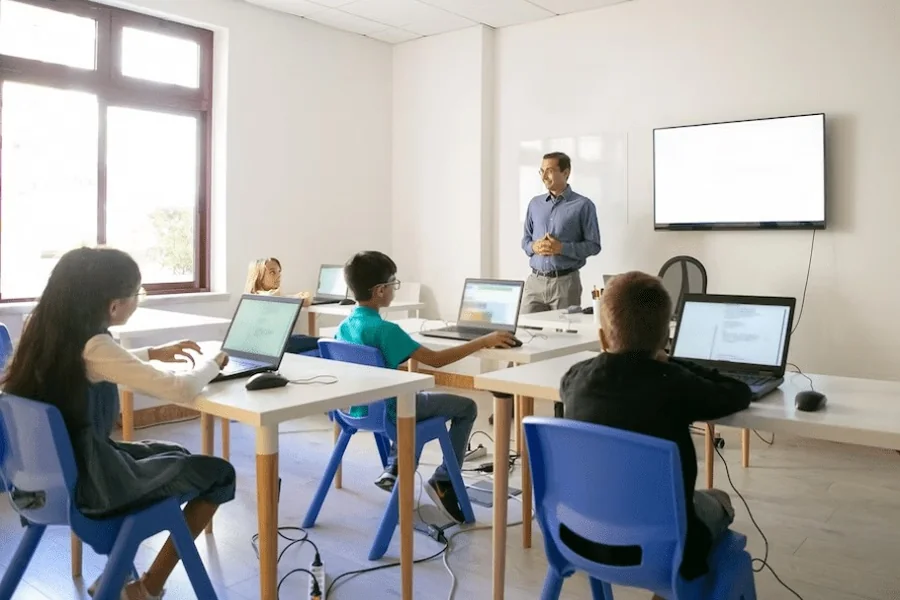
The landscape of education has undergone a dramatic transformation over the last few decades. Technology has become an integral part of modern learning, changing the way teachers teach, students learn, and institutions operate. From digital classrooms to artificial intelligence, the impact of technology on education is profound and far-reaching. Understanding how technology shapes the education system is essential for students, educators, and policymakers alike.
The Rise of Digital Classrooms
One of the most significant changes in education has been the introduction of digital classrooms. Traditional classrooms relied heavily on physical textbooks, chalkboards, and face-to-face interaction. Today, digital tools such as smartboards, tablets, and learning management systems (LMS) enable teachers to deliver lessons more interactively. Students can access learning materials online, participate in discussions via virtual forums, and even attend live lectures remotely.
Digital classrooms have also made education more inclusive. Students in remote areas, who previously had limited access to quality education, can now connect with teachers and peers from around the world. This accessibility bridges the gap between urban and rural education, offering equal opportunities for all learners.
Personalized Learning Experiences
Technology allows for personalized learning experiences, which cater to individual students’ needs and learning styles. Adaptive learning platforms use data analytics to track a student’s progress, identify strengths and weaknesses, and provide customized content. For example, if a student struggles with a particular math concept, the system can suggest targeted exercises and resources to help them improve.
Personalized learning empowers students to learn at their own pace. High-achieving students can move ahead without feeling held back, while those who need extra help can spend more time mastering the material. This approach not only improves academic performance but also boosts students’ confidence and motivation.
Online Courses and E-Learning Platforms
The rise of online courses and e-learning platforms has expanded educational opportunities beyond traditional schools and universities. Platforms such as Coursera, Khan Academy, and Udemy provide access to a wide range of courses, from coding and data science to history and art. Learners can study at their convenience, balancing education with work or other commitments.
E-learning has also made lifelong learning more feasible. Professionals can update their skills or learn new ones without having to enroll in full-time programs. This flexibility is especially valuable in a rapidly evolving job market, where continuous learning is essential to remain competitive.
Interactive and Immersive Learning Tools
Interactive tools such as simulations, virtual labs, and educational games have transformed the learning experience. For instance, science students can conduct virtual experiments without the need for physical lab equipment, reducing costs and safety risks. History students can explore historical sites through virtual reality (VR) tours, bringing lessons to life in a way that textbooks cannot.
Gamification is another approach that leverages technology to engage students. By incorporating elements such as points, badges, and leaderboards, educators can make learning more enjoyable and motivate students to achieve their goals. Interactive and immersive learning tools not only enhance understanding but also promote critical thinking and problem-solving skills.
Artificial Intelligence in Education
Artificial intelligence (AI) is playing an increasingly important role in shaping modern education. AI-powered tutoring systems can provide instant feedback, answer questions, and offer personalized guidance. Chatbots help students navigate course materials, deadlines, and administrative tasks, improving efficiency and reducing the burden on educators.
AI also enables predictive analytics, which can identify students at risk of falling behind and suggest interventions. By analyzing patterns in student performance, AI systems help educators make data-driven decisions, improving outcomes and supporting at-risk learners.
Collaborative Learning and Communication
Technology has enhanced collaboration and communication among students and educators. Tools like Google Workspace, Microsoft Teams, and Zoom allow for real-time collaboration on projects, presentations, and assignments. Students can work together seamlessly, regardless of their physical location, fostering teamwork and social learning.
Social media and online discussion forums also provide platforms for peer-to-peer learning. Students can share resources, discuss concepts, and seek help from classmates, creating a supportive learning community. This collaborative approach encourages active engagement and helps students develop essential communication and interpersonal skills.
Challenges and Considerations
While technology offers numerous benefits, it also presents challenges that educators and institutions must address. One major concern is the digital divide—the gap between students who have access to technology and those who do not. Inequitable access can exacerbate existing educational inequalities, leaving some students at a disadvantage.
Additionally, over-reliance on technology may impact students’ social skills and attention spans. It is essential to strike a balance between digital and traditional learning methods, ensuring that technology enhances rather than replaces human interaction. Cybersecurity and data privacy are also critical considerations, as sensitive student information must be protected from breaches.
The Future of Education
The future of education is likely to be even more technology-driven. Emerging technologies such as augmented reality (AR), virtual reality (VR), and blockchain are poised to further transform learning and administrative processes. AR and VR can create immersive learning environments, while blockchain can enhance credentialing, making it easier to verify academic achievements.
Moreover, the integration of AI and big data will enable more sophisticated personalized learning, helping students reach their full potential. Education will become more flexible, accessible, and learner-centered, preparing students for a world that demands adaptability and continuous learning.
Conclusion
Technology has fundamentally reshaped the education system, offering innovative tools, personalized learning experiences, and global access to knowledge. From digital classrooms and e-learning platforms to AI-powered tutoring and immersive simulations, modern learning is more engaging, efficient, and inclusive than ever before. However, it is crucial to address challenges such as the digital divide, cybersecurity, and over-reliance on technology to ensure that these advancements benefit all learners. As technology continues to evolve, the education system will undoubtedly become more dynamic, preparing students for the demands of the 21st century and beyond.